
What does the research say about CBT for kids?
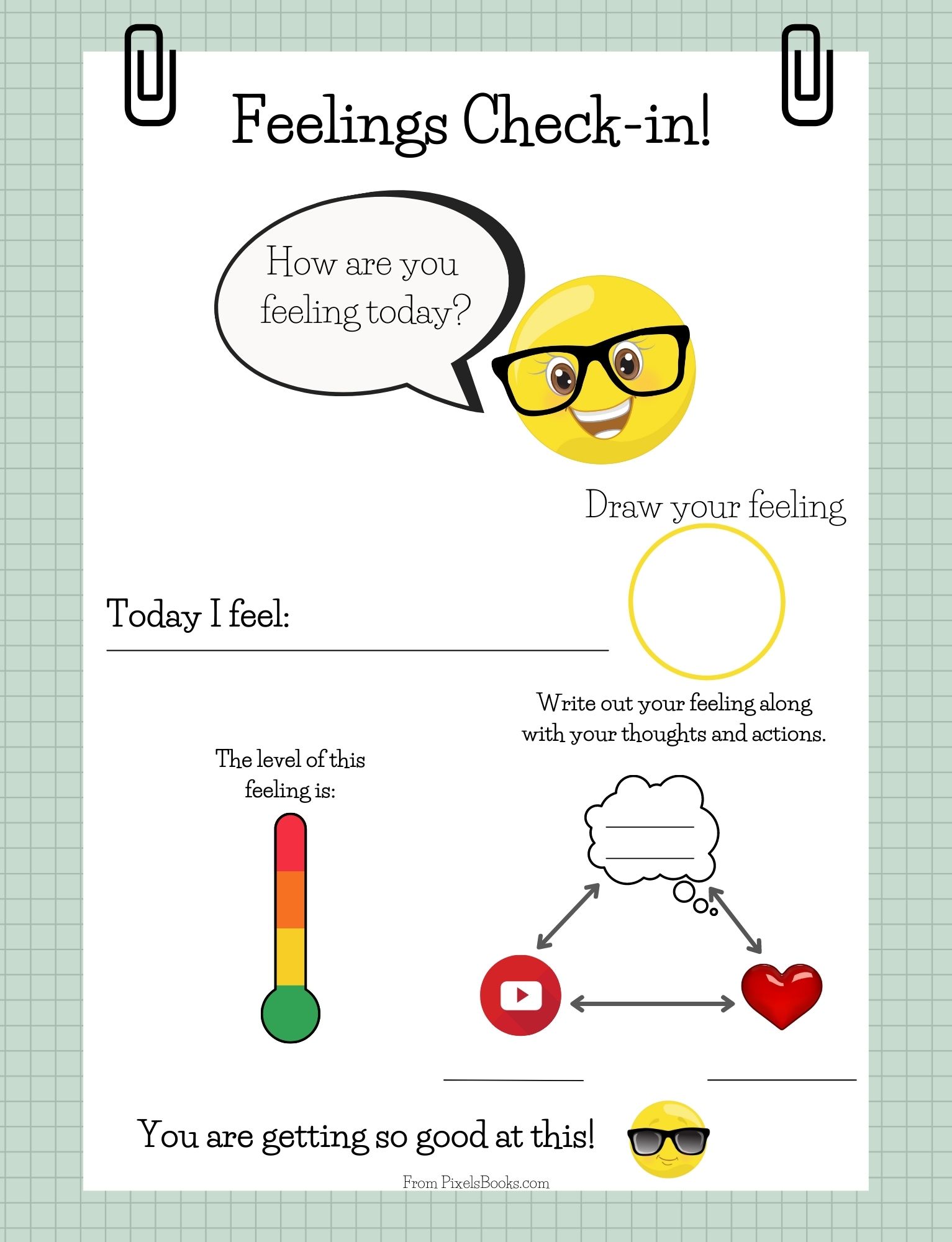
CBT stands for “Cognitive Behavioral Therapy” and it is one of the most evidence-based treatments for kids and adults ever studied. That is why it is called the “gold standard” of therapies by the Journal of the American Medical Association. It works by using the very simple “cognitive model,” which you see to the left. The model includes thinking (Cognitive), actions (Behavioral), and feelings, and it helps people change how they feel by changing the messages they send themselves with their thinking, and how they act to cope and respond to situations. The model shows that, because all three of these are closely linked together, if you change one you can change all three. This is fantastic news! Small changes in thinking or behavior can make a big change in how we feel.
You might think that children would not be able to understand this concept or be able to use the tools of CBT, but the research shows that kids do very well with CBT. Research shows that children as young as 3 benefit significantly from CBT. A 2018 study of children with anxiety disorders showed that not only do children benefit from even a short course of CBT, but these benefits can last for years after treatment has ended. Children with ADHD have been shown to benefit from CBT, so do children with PTSD, depression, and a meta-analysis (a study of studies) shows that CBT is more effective for kids than other types of treatments. CBT has been studied in a wide range of issues and the results show that it is an overall effective treatment for children.
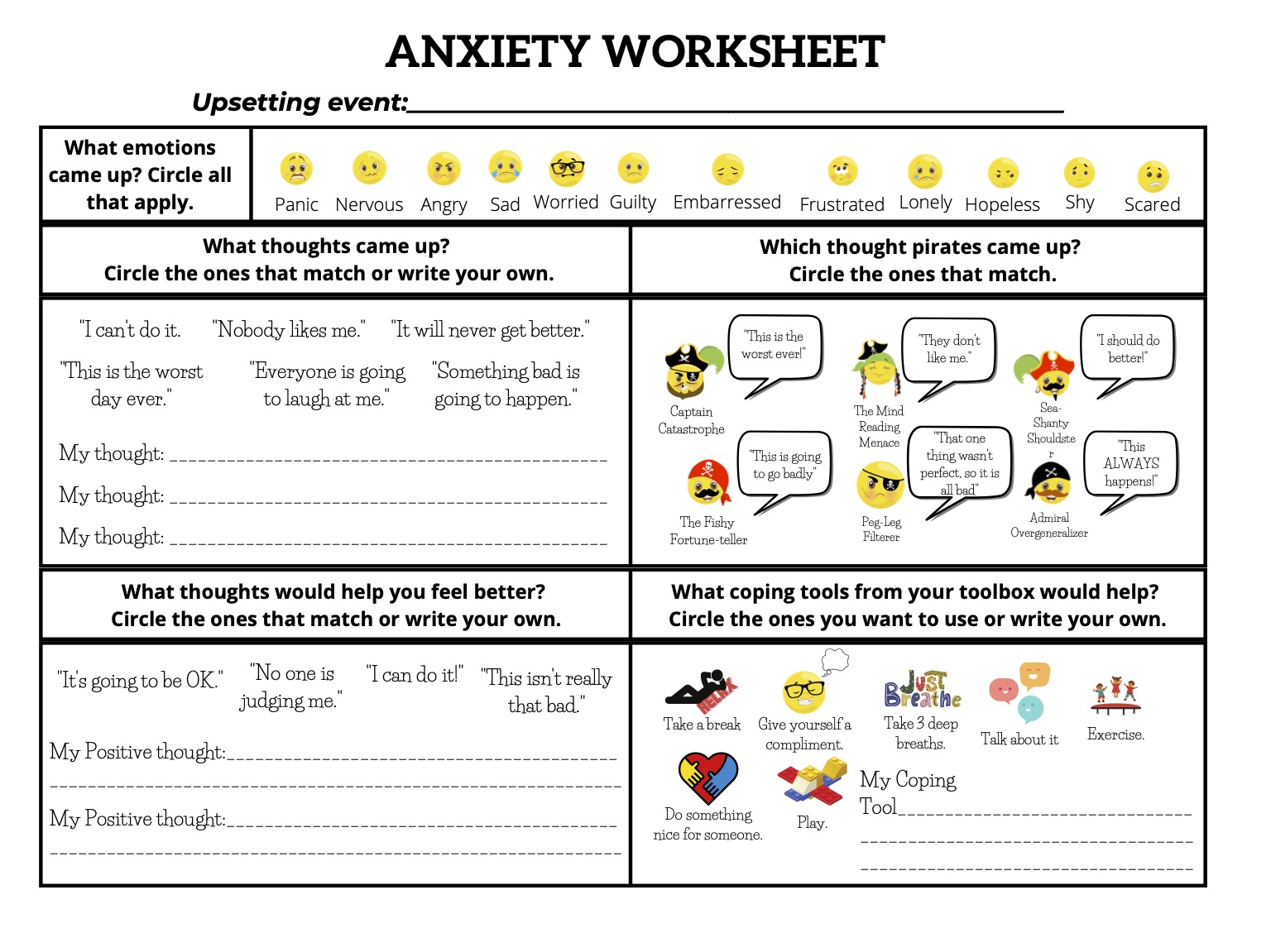
Activity books like the Pixel’s Books series help young children grasp the basic concepts of CBT and put them to use through simple and fun exercises that encourage children to see the difference between thoughts, feelings, and behaviors and then begin to make small and easy changes to them. For example, a socially anxious child can begin to catch themselves thinking “no one will like me” when they meet other children on the playground. They can practice changing this thought to “I bet I can make a friend.” Simply by making small changes in their internal “self-talk” kids can make changes in how they respond and how they feel. And many small changes like this add up to big changes over the course of a Pixel activity book, which has over a hundred exercises for kids to try, such as these:

 Pixel's Books